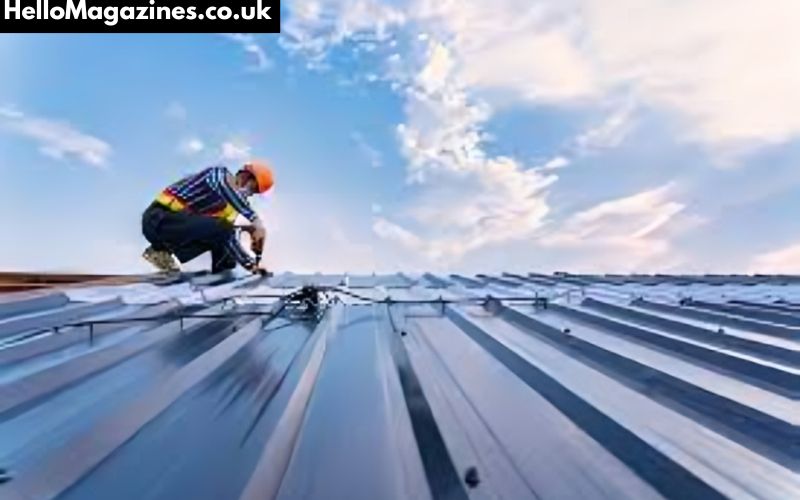
Metal roofing has become an increasingly popular choice for residential, commercial, and industrial buildings due to its durability, longevity, energy efficiency, and aesthetic appeal. As homeowners and businesses look for more sustainable, cost-effective, and reliable roofing solutions, metal roofs stand out as an excellent option. Whether you’re considering a new roof installation or replacing an old one, understanding the benefits, types, installation process, and maintenance needs of metal roofing is essential.
In this article, we’ll explore the various aspects of metal roofing, including its history, types, benefits, drawbacks, installation methods, cost considerations, and how to choose the best metal roof for your property. By the end, you’ll have a well-rounded understanding of why metal roofing is a standout option in today’s roofing market.
Metal roofing has been in use for centuries. Ancient civilizations like the Romans used copper to roof prominent buildings, while tin roofs were widely used in Europe during the 19th century. These early metal roofs were valued for their ability to withstand harsh weather conditions and their long lifespans.
The modern resurgence of metal roofing began in the 20th century, particularly after World War II, when the demand for more durable and low-maintenance roofing materials increased. Advances in technology have made metal roofing more affordable and adaptable for both residential and commercial properties. Today, metal roofing is available in a wide range of materials, finishes, and styles, catering to diverse aesthetic and practical needs.
Metal roofing comes in various materials, each with its own set of advantages, drawbacks, and applications. The most commonly used materials for metal roofing include:
Steel is the most common metal roofing material due to its strength, affordability, and versatility. Steel roofs are usually coated with a zinc or zinc-aluminum alloy to protect against rust and corrosion. The most popular types of steel roofing are:
Steel roofing is often available in various gauges (thickness), with thicker gauges being more durable and resistant to damage.
Aluminum roofing is known for its lightweight nature and excellent resistance to corrosion, making it an ideal choice for coastal environments where saltwater exposure can lead to rusting. Aluminum roofs are durable and can last several decades with minimal maintenance.
One of the major benefits of aluminum is its recyclability. Many aluminum roofs are made from recycled materials, which adds to their appeal as an eco-friendly roofing option.
Copper has been used in roofing for centuries and is valued for its beauty and longevity. Copper roofs develop a natural patina over time, transitioning from a shiny bronze color to a greenish-blue hue as the material oxidizes. This patina provides an additional layer of protection against corrosion.
Copper is one of the most expensive roofing materials but can last more than 100 years with proper maintenance. It’s often used for architectural purposes or on high-end homes due to its distinctive appearance and long lifespan.
Zinc roofing is another premium option that offers a natural patina over time. Zinc is highly resistant to corrosion, durable, and can last up to 100 years. It’s also highly malleable, making it an excellent material for intricate roof designs.
However, zinc is more expensive than steel or aluminum and may require specialized installation techniques. It’s primarily used in high-end residential and commercial applications.
While less common today, tin roofing was once a popular option for rural homes and agricultural buildings. Modern tin roofs are typically made from steel coated with a layer of tin, providing corrosion resistance. Tin roofs are durable and provide a vintage aesthetic, though they are now largely replaced by other metal options like galvanized steel.
Metal roofing has several advantages over traditional roofing materials like asphalt shingles, tile, or wood. Here are some key benefits:
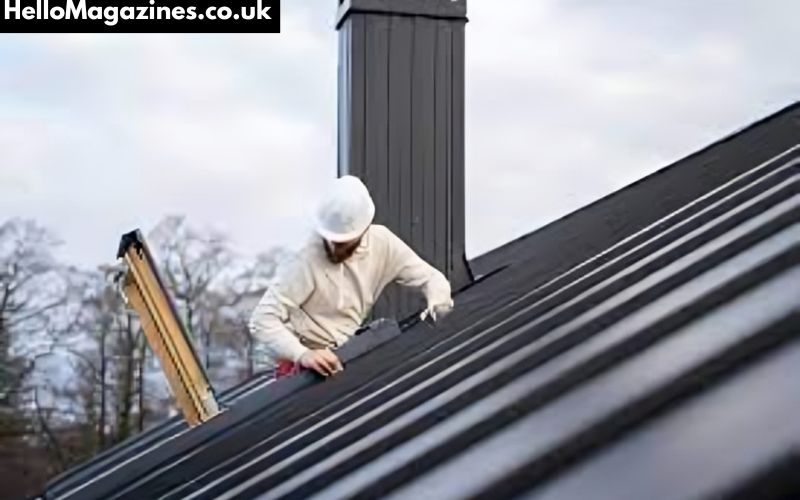
One of the main reasons homeowners choose metal roofing is for its durability. Metal roofs can last 40 to 70 years, depending on the material, and are resistant to rot, insect damage, and weather-related issues like wind and hail. Steel, aluminum, copper, and zinc roofs can all withstand extreme weather conditions, making them a reliable choice for any climate.
Metal roofs are highly reflective, which helps reduce heat absorption and keeps homes cooler during hot weather. Many metal roofing systems are designed with reflective coatings that can lower cooling costs by as much as 10-25%. This energy efficiency makes metal roofing an eco-friendly option for those looking to reduce their carbon footprint.
Metal roofs require minimal maintenance compared to other roofing materials. They do not crack, curl, or lose granules like asphalt shingles, nor do they require frequent cleaning like tile roofs. Most metal roofs only need periodic inspections and occasional cleaning to remove debris.
Metal roofs are non-combustible and have a Class A fire rating, which is the highest rating available. This makes metal roofing an ideal choice for areas prone to wildfires or other fire hazards.
Metal roofs are often made from recycled materials and can be recycled at the end of their life, making them an environmentally friendly roofing option. Aluminum, in particular, is known for its high recyclability.
Metal roofing is lightweight compared to other roofing materials like tile or slate. This reduces the structural load on a building, which can be a significant advantage for retrofitting or replacing an existing roof.
Metal roofing comes in a variety of styles, colors, and finishes, allowing homeowners to customize the look of their roof. Metal can be shaped to mimic other materials, such as wood shakes, slate, or clay tiles, while offering the superior durability of metal.
While metal roofing has many advantages, there are also some potential drawbacks to consider:
The upfront cost of a metal roof is typically higher than that of traditional roofing materials. However, this cost can be offset over time due to the longevity and minimal maintenance requirements of metal roofing. For homeowners planning to stay in their home long-term, the investment may be well worth it.
Metal roofs can be noisier than other roofing materials, especially during rain or hailstorms. However, this can be mitigated by installing proper insulation or a solid sheathing layer underneath the metal roof.
Although metal roofing is highly durable, it can dent under heavy impact, such as hail or falling branches. Thicker-gauge metals are more resistant to denting, and some materials like copper are more malleable and less likely to be damaged.
Metal expands and contracts with temperature changes, which can lead to issues with fasteners loosening over time. Modern metal roofing systems are designed to accommodate this movement, but proper installation is crucial to avoid long-term problems.
Metal roofing is available in several styles and profiles to suit different architectural designs. Some common styles include:
Standing seam roofs have long, vertical panels with raised seams that interlock to keep water out. This is one of the most popular styles for both residential and commercial buildings due to its sleek, modern appearance and excellent waterproofing.
Metal shingles mimic the appearance of traditional shingle roofing materials like asphalt, slate, or wood. These are a popular choice for homeowners who want the look of a conventional roof with the durability of metal.
Corrugated metal roofing features ridges and grooves that provide additional strength. It’s often used in agricultural, industrial, and commercial buildings but can also be used in residential applications for a rustic or industrial look.
Metal tiles replicate the appearance of traditional tile roofing materials like clay or concrete but offer the advantages of metal roofing. These are often used in Mediterranean or Spanish-style architecture.
Stone-coated metal roofing is made from metal panels coated with stone granules, giving the appearance of traditional roofing materials like asphalt shingles, wood shakes, or clay tiles. This style combines the aesthetic appeal of traditional roofs with the durability and longevity of metal.
Installing a metal roof requires specialized skills and tools, and it’s essential to hire a professional contractor with experience in metal roofing. The installation process typically involves the following steps:
The cost of metal roofing varies depending on the material, style, and complexity of the installation. Here are some factors that can influence the price:
One of the advantages of metal roofing is its low maintenance requirements. However, regular inspections and minor maintenance can extend the lifespan of a metal roof. Here are some tips for maintaining your metal roof:
See Also: Skillsclone.life
Metal roofing offers a range of benefits that make it an attractive option for homeowners and businesses alike. With its long lifespan, energy efficiency, durability, and variety of styles, metal roofing provides a reliable and aesthetically pleasing solution for modern buildings. While the initial cost may be higher than traditional roofing materials, the long-term savings and minimal maintenance needs make metal roofing a worthwhile investment.
If you’re considering metal roofing for your property, be sure to research the different materials and styles available, and consult with a professional roofing contractor to ensure a successful installation. Whether you’re looking to enhance your home’s curb appeal, improve energy efficiency, or protect your building from harsh weather conditions, metal roofing is a durable and versatile option that stands the test of time.